Ramadan 2027 with Kids: Small Traditions and Stories That Stay
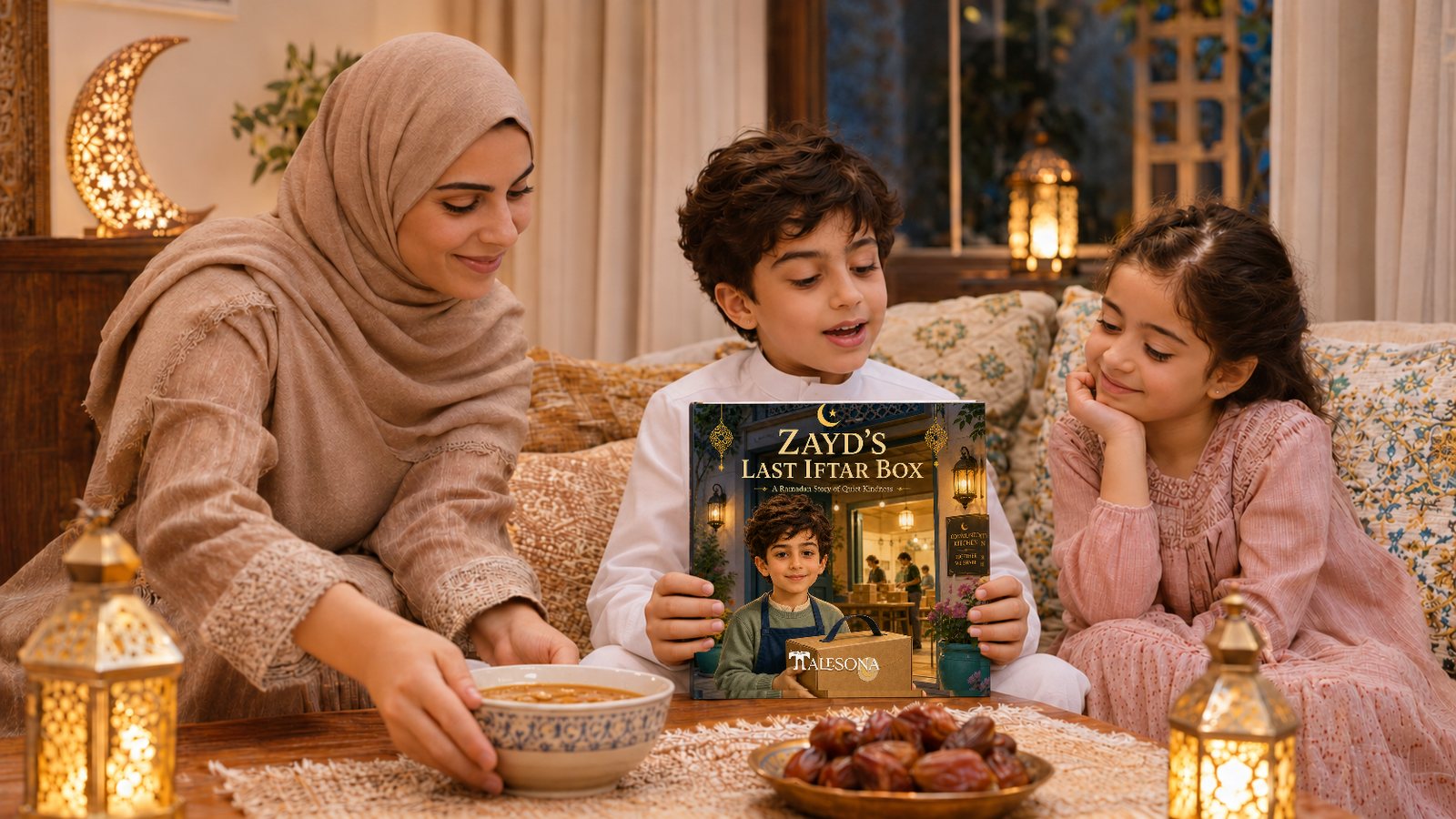
Ramadan 2027 is expected to begin on or around 8 February 2027, with Eid al-Fitr around 9 or 10 March, depending on the moon sighting where you live. For adults, the month is about fasting, prayer and the Qur'an. For children, it is remembered through small things repeated every day: the table set for suhoor, a star on a good-deeds board, a box of dates carried to a neighbour, a story read before sleep. This guide gathers simple traditions you can start this year, organised by age.
Why small traditions matter more than big plans
Children learn what a season means from what happens again and again. A single grand activity is quickly forgotten; a two-minute habit that returns every evening becomes part of who they are. The companions of the Prophet ﷺ understood this. Ar-Rubayyi' bint Mu'awwidh described how, on the day of 'Ashura, they would let their young children fast, and make them toys of wool so that a child who cried from hunger had something to play with until it was time to break the fast (Sahih al-Bukhari 1960). The lesson is not the length of the fast, but the gentle, practical way children were included.
Before Ramadan: preparing the house and the heart
- Make a countdown together. A paper chain or a calendar on the fridge lets children feel the month approaching.
- Prepare a good-deeds board. Thirty squares, one for each day. Children add a star or sticker for a kind act, not for how long they fasted.
- Choose the month's books. Put Ramadan and Eid stories in a basket where children can reach them. Seeing the books come out is part of the excitement.
- Talk about why we fast. Keep it short: we fast to come closer to Allah, to be thankful, and to remember people who are hungry.
Traditions by age
Ages 2 to 4: senses and routines
Little ones understand Ramadan through what they see, hear and taste. Let them place the dates on the iftar plate, switch on a lantern at sunset, and hear the adhan announcing iftar. A short du'a before eating, said together, is enough. Picture books with simple, warm scenes work best at this age.
Ages 5 to 7: practising and helping
This is a good age for a practice fast chosen with your child: from suhoor until mid-morning, or until lunch, depending on their health and energy. Praise the effort, never compare it. Give them a real job: setting the table, filling a water jug, handing dates to guests. Stories in which a child their age does something kind during Ramadan help them imagine their own part.
Ages 8 to 10: responsibility and giving
Older children can take on a small project: saving part of their pocket money for sadaqah, packing an iftar box for a neighbour, or reading a short passage of the Qur'an each day with a parent. Some children this age are ready to try longer fasts on weekends; follow your child's health and your doctor's advice. Fasting becomes obligatory at puberty, so there is no need to rush.
Giving that children can see
The Prophet ﷺ said: "Whoever gives iftar to one who is fasting will have a reward like his, without anything being reduced from the reward of the fasting person" (Jami' at-Tirmidhi 807). For children, this becomes concrete when they carry the plate themselves. A few ideas:
- Pack a simple iftar box (dates, water, fruit, bread) for an elderly neighbour and deliver it together.
- Keep a sadaqah jar on the table and let children choose where it goes at the end of the month.
- Invite a family who is alone for iftar, and let your child welcome them at the door.
Our story The Last Iftar Box (also for girls) is built on exactly this idea: a child helps at a community kitchen, gives up the last date on the tray, and carries the final iftar box to an elderly neighbour who lives alone, even when the lift is out of order and the stairs feel endless. It is a story about quiet kindness rather than counting stars, and with your child as the hero, it becomes their story. For younger children, Sadaqah That Grows (also for boys) shows giving as something small hands can do.
A ten-minute Ramadan bedtime
- Two minutes of thanks. Each person names one thing they are grateful for today.
- Five minutes of story. Read one Ramadan story, or one page of a longer one.
- One question. "What would you have done?" is often enough to start a real conversation.
- A short du'a together. Keep the words simple so your child can say them alone.
The last ten nights and Eid
As the month ends, let children feel that something special is happening: a slightly later night with the family, a lantern in the window, a du'a written on a card and kept for next year. Then prepare for Eid together: choosing clothes, wrapping small gifts, and planning who to visit. A book given on Eid morning, especially one in which the child is the hero, often becomes the gift they return to all year. You can read more ideas in our guide to Eid gift ideas for kids.
Key takeaways
- Ramadan 2027 is expected to begin around 8 February; check your local announcement.
- Small daily traditions shape children's memories more than big one-off activities.
- Practice fasts should follow the child's age and health; praise effort, never compare.
- Let children give with their own hands: an iftar box, a sadaqah jar, a welcome at the door.
- A short bedtime story each night turns the month into something they can picture and keep.
Sources
- Sahih al-Bukhari 1960 (children fasting on 'Ashura and toys of wool). https://sunnah.com/bukhari:1960
- Jami' at-Tirmidhi 807 (the reward for giving iftar). https://sunnah.com/tirmidhi:807
- Khaleej Times (2026). Ramadan, Eid Al Fitr, Eid Al Adha 2027: likely dates. https://www.khaleejtimes.com/uae/ramadan-eid-al-fitr-eid-al-adha-2027-likely-dates
Want your child to be the hero of a Ramadan story? Upload one photo and view a free preview before you decide.
FAQ
When does Ramadan 2027 start?
Ramadan 2027 is expected to begin on or around 8 February 2027, and Eid al-Fitr around 9 or 10 March 2027. The exact dates depend on the sighting of the moon in your country.
At what age should children start fasting?
Fasting becomes obligatory at puberty. Before that, many families let children practise with part of a day, increasing gently with age and health. Speak to your doctor if your child has a medical condition.
Which Talesona stories are about Ramadan?
The Last Iftar Box (for boys and for girls, ages 6 to 8) is a Ramadan story about quiet kindness. Sadaqah That Grows (ages 4 to 6) is about giving, which fits the month well.
When should I order a personalized Ramadan book?
Printed books need time to print and ship, so order a few weeks before Ramadan if you want the book for the first night. The eBook is ready to read soon after you approve the preview.
Is there a free preview?
Yes. Upload one clear photo of your child and you can see a free preview of the book before you decide to buy.