
Starting School as a Muslim Child: A Parent Checklist
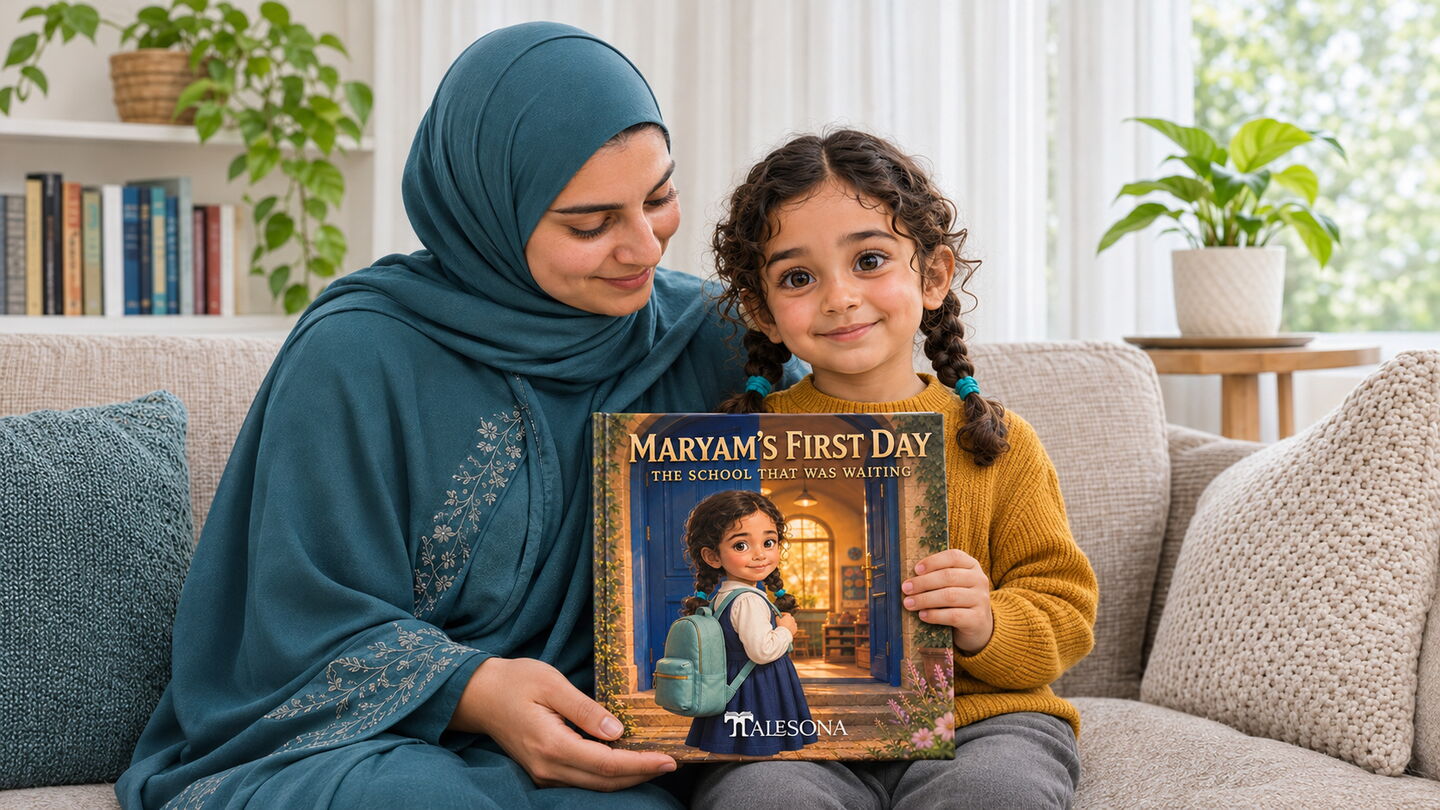
Help a Muslim child start school by agreeing practical arrangements with the teacher and rehearsing a few simple ways to ask for help. Begin with your own child's needs, including food, names and family observances, rather than expecting a young child to explain everything alone. Belonging grows through ordinary, respectful contact between home and school.
Start with the child, then the checklist
Before buying another school item, ask what your child is wondering about. A new pupil may care more about finding the toilet or someone to play with than about explaining a religious celebration. Listen without turning every concern into a lesson. You can prepare for being a Muslim at school while leaving plenty of room for the excitement of new friends, playground games and learning.
Families differ in language, culture and daily practice. Write down what actually applies to your household. A teacher needs clear information about this child, rather than a long description of everything Muslims might do. If your child is old enough, let them choose which personal details they are comfortable sharing with classmates.
Arrange a short conversation before term
Contact the class teacher or the school's named family contact. Ask how the school prefers to receive information and whether a short meeting is possible. A brief, friendly message can introduce your child, give the correct pronunciation of their name and identify two or three practical questions. Keep a copy so you can update the details later.
- Food: explain your family's dietary requirements and ask how ingredients and school meals are checked.
- Clothing: ask about uniform, sports clothing and changing arrangements that matter to your child.
- Family observances: explain any likely requests and ask about the school's process for discussing them.
- Communication: find out who will contact you if a question arises during the school day.
School policies and local requirements vary across the UK, US, Canada and Australia, and sometimes between neighbouring schools. Read the school's own information and discuss arrangements directly. Do not assume that something available at a cousin's school will automatically be available at yours.
A message you can adapt
Try: “We are looking forward to joining your class. Our child is Muslim, and we would like to discuss their meal requirements and how we can communicate about family observances. They are also a little worried about asking for help. Could we agree a person they can approach?” Replace the examples with your real concerns. A focused request is easier to answer than a general request to understand your entire family life.
Make lunch feel ordinary
Check the menu and ingredient information with the school rather than asking a young child to make complicated decisions at the serving counter. Where you provide lunch, practise opening the containers and packing them away. Explain which food belongs to your child and whether sharing is permitted under the school's rules. Allergy procedures matter alongside religious dietary needs.
Give your child a short sentence for a friendly question: “This is what my family eats,” or “I brought my lunch today.” They do not need to debate ingredients with classmates. If a mistake happens, invite them to tell you and the teacher. Solve the practical problem together without making the child feel that an adult's misunderstanding was their responsibility.
Rehearse useful words for the classroom
Use a toy classroom or take turns being the teacher. Practise asking where to put a bag, saying a name clearly and asking to join a game. Add one response to a question about faith, but keep it short enough for your child's age. “My family is Muslim” can be a complete answer; curiosity does not require a speech.
- “Please can you say my name like this?”
- “I do not know. I can ask my parent.”
- “Can I play too?”
- “I need help with something that happened.”
Allow your child to stop practising when it becomes tiring. The aim is familiarity with asking for support, not a perfect performance. Older siblings can help by sharing an ordinary school memory, including a time they needed an adult's help.
Keep responsibility with adults
A child can enjoy sharing a family tradition without becoming the class spokesperson for all Muslims. If a teacher suggests a presentation or celebration, ask your child whether they want to participate. Offer accurate, age-appropriate information yourself where useful. A child who prefers to listen should still feel included.
If someone makes an unkind remark, listen first and ask what happened, where and who was present. Record the child's words without coaching a dramatic version of events. Contact the teacher and use the school's reporting process when needed. Agree how the school will follow up, and tell your child which adult they can approach if it happens again.
Plan for the calendar without filling the year with worry
Ask how the school handles advance notice of family religious observances and update staff when dates become clear. If Ramadan or an Eid falls during term, discuss your own child's arrangements early. Young children should not be expected to manage conversations about meals, activities or absence themselves. Keep any discussion of fasting appropriate to the child's age and circumstances.
Back-to-school timing also differs by country and region. Build your preparation around the school's actual start date. A simple sequence works well: speak to the teacher, practise the journey, check lunch and clothing, then enjoy an ordinary family afternoon before the first day.
A story can open the conversation
For a child who enjoys seeing a school theme in a book, explore Talesona's My First Day of School for girls or My First Day of School for boys, both listed for ages three to six. Discuss the title and preview together rather than assuming a story will answer every worry. Talesona stories can include the child's name and picture, with printed and PDF options and a preview before printing.
Notice small signs of settling in
After school, try a concrete question such as “Who sat beside you?” instead of asking for a full report. Give your child time to rest before discussing difficulties. Keep contact with the teacher brief and specific, especially during the first weeks. One successful request for help, a familiar face at the gate or a game with a new friend can be a useful next step. Your child can belong at school while remaining connected to home.
FAQ
What should I tell the teacher before school starts?
Share the needs that apply to your child, such as food requirements, name pronunciation and a named adult for help.
Does my child need to explain Islam to classmates?
No. They can share something if they want to, but adults should handle detailed questions and practical arrangements.
How do I discuss halal school meals?
Ask staff about the menu, ingredient checking and available arrangements. Do not leave complex decisions to a young child.
What if another pupil makes an unkind comment?
Listen, record what your child tells you, contact the teacher and agree follow-up through the school’s reporting process.
Are school arrangements the same in every country?
No. Check the individual school’s policies and discuss your child’s circumstances directly.